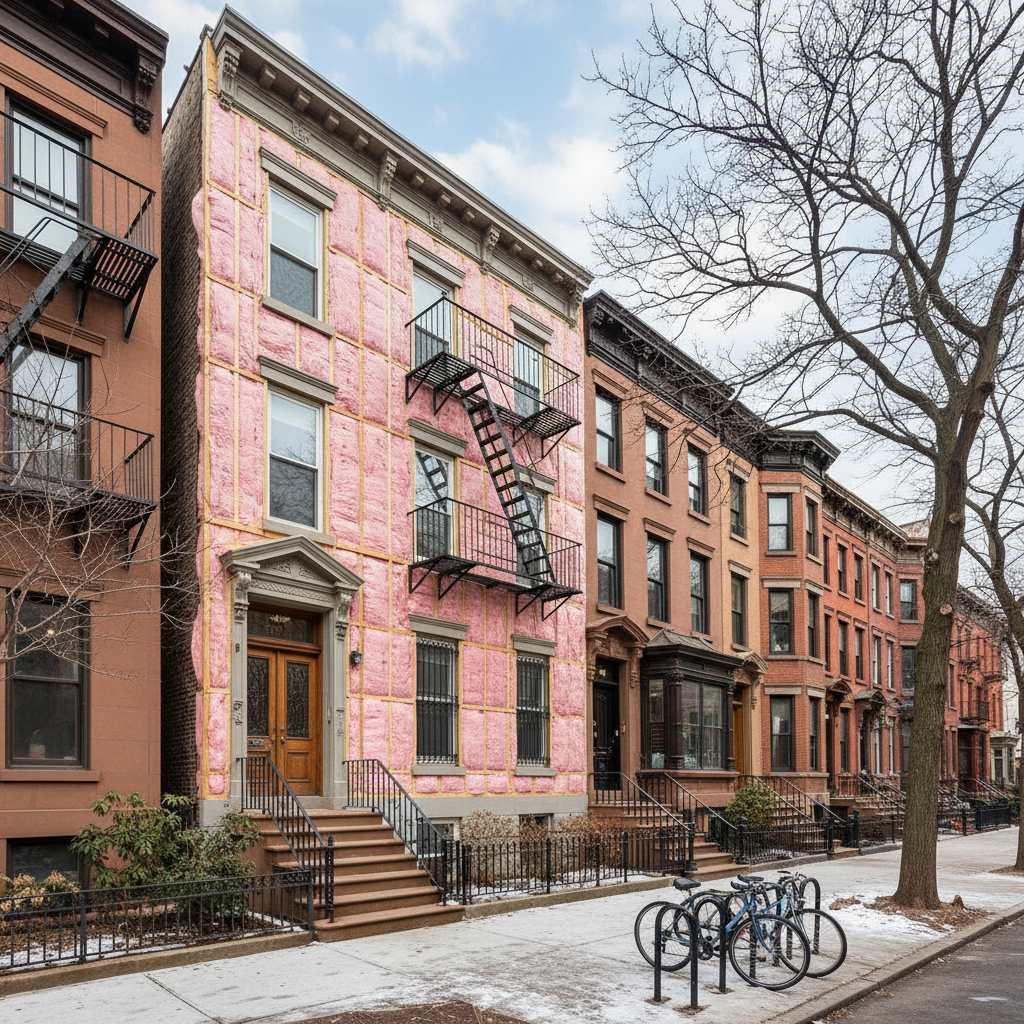
So, you're looking at insulation options for your place here in Brooklyn, and batt insulation's on your radar. Good. It's a classic for a reason, and when it's installed properly, it does exactly what it's supposed to do: keep your home comfortable and your energy bills in check. But 'properly installed' is the key phrase, especially in a place like Brooklyn.
Why Batt Insulation Still Rocks
You've probably seen batt insulation before. It's those pre-cut rolls or sheets, usually made of fiberglass or mineral wool, that fit between studs, joists, and rafters. It's affordable, it's effective, and it's been a go-to for decades. For many homeowners, it's the first thing they think of when they hear 'insulation.' And for good reason!
- Cost-Effective: Generally, batt insulation is less expensive upfront than some other options.
- DIY-Friendly (Sometimes): For simple, open spaces, a handy homeowner can often tackle it. But I'll tell you, 'simple' isn't always what we find in Brooklyn homes.
- Good Thermal Performance: When installed correctly, it provides excellent R-value for its thickness.
- Sound Dampening: It helps reduce sound transmission between rooms, which is a big plus in our often tightly-packed row houses and apartments.
That last point, sound dampening, is something a lot of folks in neighborhoods like Bushwick or Sunset Park appreciate. You want to hear your own family, not your neighbor's TV, right?
The Brooklyn Challenge: Why Installation Matters So Much
Here's where local expertise really comes into play. Brooklyn isn't a suburban tract home development. We've got everything from brownstones built in the late 1800s to pre-war co-ops, post-war brick buildings, and new construction that's sometimes... let's just say, 'creatively' built. Each type of building presents its own set of challenges for batt insulation.
Think about a classic Brooklyn brownstone. You've got plaster walls, often irregular stud spacing, and a whole lot of nooks and crannies that weren't designed with modern insulation in mind. If you just shove batt insulation into these spaces, you're going to end up with gaps. And gaps mean air leaks. Air leaks mean drafts, higher energy bills, and a less comfortable home. It's like wearing a winter coat with a bunch of holes in it – what's the point?
Even in newer construction, you can run into issues. Sometimes the framing isn't perfectly consistent, or there are pipes, wires, and ducts running through cavities that need careful attention. You can't just cut a batt to size and expect it to magically seal around everything. That's where a lot of DIY projects go wrong, and frankly, where some less experienced contractors cut corners.
The 'Air Barrier' Myth with Batts
A common misconception is that batt insulation itself stops air. It doesn't. Batt insulation slows down heat transfer by conduction and convection within its fibers. But air can still blow right through it. That's why a proper air barrier is crucial with batt insulation. This usually means careful sealing of all gaps and cracks with caulk or foam before the batts even go in, and then often covering the batts with a vapor barrier or house wrap, depending on the application.
In older Brooklyn homes, especially those with balloon framing or brick exteriors, managing moisture and air movement is a delicate balance. You don't want to trap moisture inside your walls, leading to mold or rot. A good installer understands the building science behind this and knows how to create an effective system, not just slap some pink stuff into a wall cavity.
When to Call a Pro (Like Us at Brooklyn Spray Foam)
You might be thinking, 'Can't I just do this myself?' And for a super straightforward, open wall cavity with perfect stud spacing, maybe. But for most situations in Brooklyn, I'd strongly advise against it. Here's why:
- Irregular Cavities: As I mentioned, our buildings are rarely perfectly uniform. Pros know how to cut, fit, and secure batts to minimize gaps.
- Air Sealing Expertise: We don't just insulate; we air seal. We'll identify and seal those sneaky air leaks that undermine your insulation's performance.
- Moisture Management: Understanding vapor barriers and how they interact with different wall assemblies is critical, especially in our humid summers and damp winters. You don't want condensation issues down the line.
- Safety: Handling fiberglass or mineral wool requires proper safety gear – masks, gloves, eye protection. It's not fun stuff to breathe in or get on your skin.
- Code Compliance: Building codes are there for a reason. A professional knows the local requirements and ensures your insulation meets them.
We've seen it all, from homes in Flatbush with original horsehair plaster to new builds in Williamsburg. We know how to work with the quirks and challenges of Brooklyn's diverse housing stock. Getting batt insulation right isn't just about putting material in a wall; it's about understanding the whole building envelope and making sure every piece works together to keep your home efficient and comfortable for years to come.
So, if you're considering batt insulation for your Brooklyn home, don't just grab a few rolls from the hardware store and hope for the best. Talk to someone who knows the ins and outs of our local buildings. It'll save you headaches, and money, in the long run.