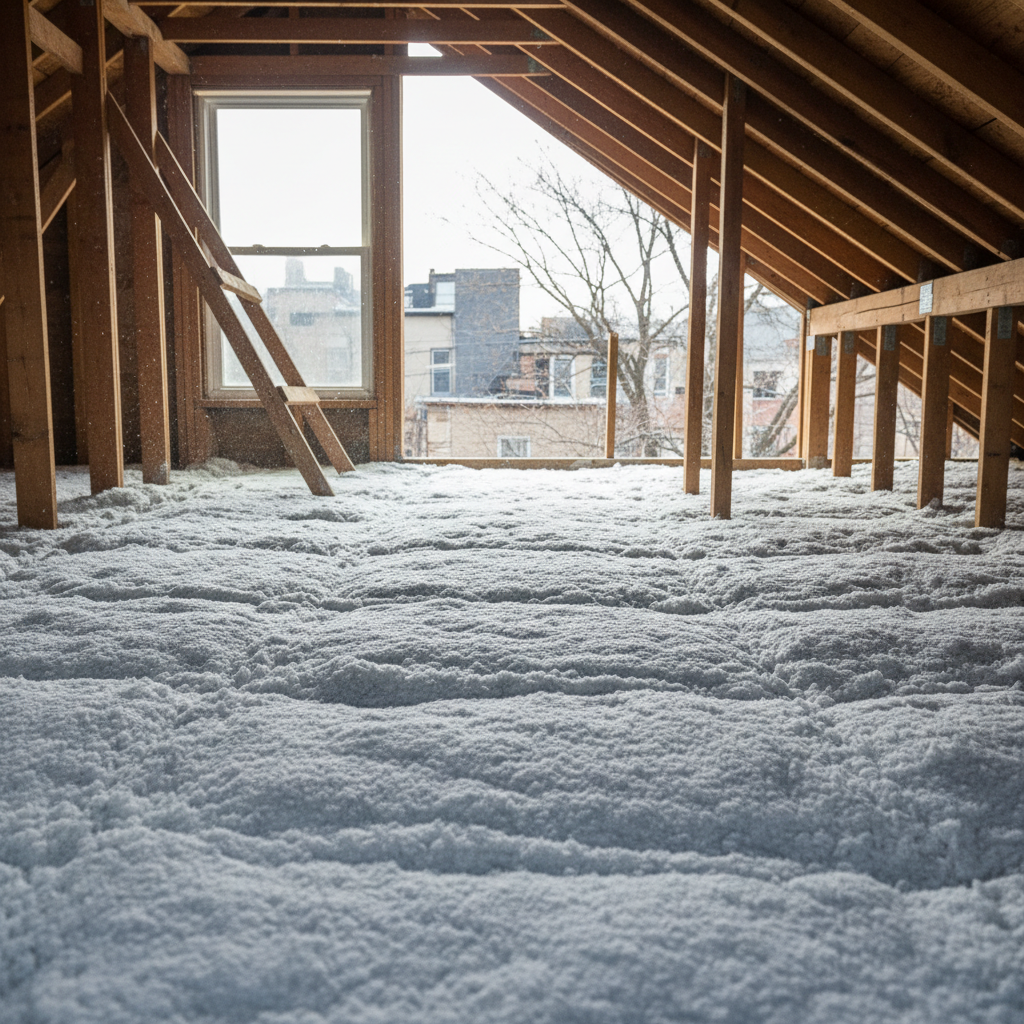
So, you've put blown-in insulation in your attic or walls. That's a smart move, especially with Brooklyn's wild weather. One day it's a humid 90 degrees, the next we're in a freezing polar vortex. Good insulation really makes a difference. But just like anything else in your home, it's not totally hands-off. A little care can stretch its life and keep it working well for decades. Let's chat about how to keep that blown-in insulation doing its best.
Making Your Insulation Last Longer
The good news? Blown-in insulation—whether it's cellulose or fiberglass—is pretty tough. Still, a few things you do can help it last as long as possible.
- Keep it dry: This is probably the most important one. Moisture is insulation's worst enemy. Leaky roofs, plumbing problems in the attic, or even just bad ventilation can let water in. Once insulation gets wet, especially cellulose, it can clump up, lose its R-value, and even become a breeding ground for mold. Fix any leaks right away.
- Don't squish it: Blown-in insulation works by trapping air. If you walk on it, stack heavy boxes on it, or push it down, you're compressing those little air pockets. That makes it less effective. If you need to get to areas in your attic, put down proper attic decking or walkways.
- Protect it from pests: Rodents, birds, and bugs just love to nest in insulation. They'll tunnel through it, pack it down, and leave droppings. Seal up any entry points into your attic or walls. We're talking about those small gaps around pipes, vents, and even tiny cracks in your foundation. Trust me, a mouse can squeeze through a gap the size of a dime.
- Make sure it's ventilated right: Good airflow is super important, especially in attics. It helps stop moisture from building up and keeps the attic temperature closer to the outside air. This cuts down on heat transfer into your living space in summer and stops ice dams in winter. Check that your soffit and ridge vents aren't blocked.
Quick Regular Checks
You don't need to be up in your attic every week, but a once-a-year check-up can save you a ton of headaches and money later on. I usually tell folks to do it in the fall before the heating season really gets going, or in the spring once the worst of winter is behind us.
- Look around: Grab a flashlight and take a peek. Does the insulation look spread out evenly? Are there any obvious low spots or places where it looks squished? See any dark stains that might mean water damage?
- Check for pests: Look for droppings, nests, or chewed-up bits. If you spot signs of activity, you'll need to deal with the pest problem first, then figure out the insulation damage.
- Peek at vents and ducts: Make sure attic vents aren't covered by insulation. Check any HVAC ducts running through the attic—are they sealed up tight and insulated themselves? Leaky ducts can dump conditioned air right into your attic, forcing your system to work harder.
- Inspect for moisture: Feel around in a few spots. Does it feel damp? Any signs of mold or mildew? If you find moisture, track it back to its source. It could be a roof leak, a plumbing leak, or even condensation from bad ventilation.
Signs of Trouble
Your home will actually tell you when there's an insulation problem. You just need to know what to listen for.
- Higher energy bills: This is usually the first clue. If your heating or cooling costs suddenly jump without you using more energy or utility rates changing, your insulation might not be doing its job.
- Drafts or uneven temperatures: Are some rooms noticeably colder or hotter than others? Do you feel drafts even with the windows closed? This could point to insulation gaps or compression.
- Ice dams: In winter, if you see big icicles or ridges of ice forming at the edge of your roof, that's a classic sign. Heat is escaping from your attic, melting snow, and then refreezing at the colder eaves. This means your attic insulation isn't working well.
- Pest noises: Hearing scratching, scurrying, or chirping in your walls or attic? That's a clear sign you've got uninvited guests making themselves at home in your insulation.
- Visible damage: Obvious water stains on ceilings or walls below the attic, sagging insulation, or areas that just look "off" are all big red flags.
When to Call a Professional
Look, some things you can handle yourself. Sealing up a tiny crack or clearing a blocked vent? Go for it. But there are times when you really need to bring in the pros. That's where a company like Brooklyn Spray Foam comes in, you know?
- Extensive water damage: If a big section of your insulation is wet or moldy, that's a huge job. Safely and effectively removing contaminated insulation, then replacing it, takes special equipment and know-how.
- Major pest infestation: If you've got a full-blown rodent or insect problem, you'll want to get pest control involved first. After that, an insulation professional can assess and repair or replace the damaged areas.
- Lots of settling or low R-value: If your insulation has settled a lot over the years, or if an energy audit showed your R-value is too low, you might need more insulation blown in. A professional can figure out the right amount and type.
- Persistent drafts or energy issues: If you've tried the basic fixes and you're still dealing with high bills or uncomfortable rooms, it's time for an expert. They can do a thorough inspection and diagnose the real problem. Sometimes it's not just the insulation, but air leaks or ventilation issues that need a trained eye.
Taking care of your blown-in insulation isn't rocket science, but it does need a little attention. A bit of proactive maintenance can save you a lot of money and keep your Brooklyn home comfortable all year. Don't wait until you're shivering in January or sweating through July to think about it.