Why Bother Insulating Your Basement?
Let's be real, a lot of Brooklyn basements are just glorified storage units or laundry rooms. Cold, damp, and not exactly inviting. But insulating that space can totally change your home. You'll cut down on drafts, make your whole house feel warmer, and save some serious cash on your heating bills. Plus, if you're ever thinking about finishing that basement, insulation is step one for making it a comfortable living area.
The ground here in Brooklyn, especially in older neighborhoods like Bay Ridge or Bushwick, can get pretty cold in the winter. That cold seeps right through your foundation walls. Without a good thermal break, your furnace is working overtime just to fight off the chill coming up from below. It's a waste of energy and money, plain and simple.
Before You Start: Critical Prep Work
Before you even think about insulation, you've got to deal with moisture. This isn't optional. If your basement has any water issues – dampness, leaks, puddles after a heavy rain – you need to fix those first. Insulation, especially fiberglass or cellulose, will just turn into a moldy mess if it gets wet. Even spray foam isn't a magic bullet for active leaks. Find the source, fix the cracks, improve drainage outside, maybe even install a sump pump if needed. Get it dry, keep it dry.
Next, check for air leaks. Around windows, doors, rim joists (that's where your foundation meets your house framing), and any penetrations for pipes or wires. Seal these up with caulk or expanding foam. Air sealing is just as important as insulation for comfort and energy efficiency. Don't skip it.
What You Can DIY (and What You Probably Shouldn't)
Okay, so you've got a dry, sealed basement. Now for the insulation itself. What can you realistically do yourself?
- Rigid Foam Boards: These are pretty DIY-friendly for foundation walls. You can cut them to fit and attach them to the concrete with appropriate adhesive or mechanical fasteners. Make sure you're getting the right R-value for your climate and local codes. You'll also need to cover them with a fire-rated material like drywall, especially if it's a living space.
- Batt Insulation (Fiberglass or Mineral Wool): If you're insulating between studs in a framed wall, batt insulation is manageable for a DIYer. Just cut it to fit snugly, wear protective gear (gloves, mask, long sleeves), and make sure there are no gaps. You'll need a vapor barrier on the warm-in-winter side in most cases, but check local building codes for specifics.
Now, here's where I tell you to call a pro:
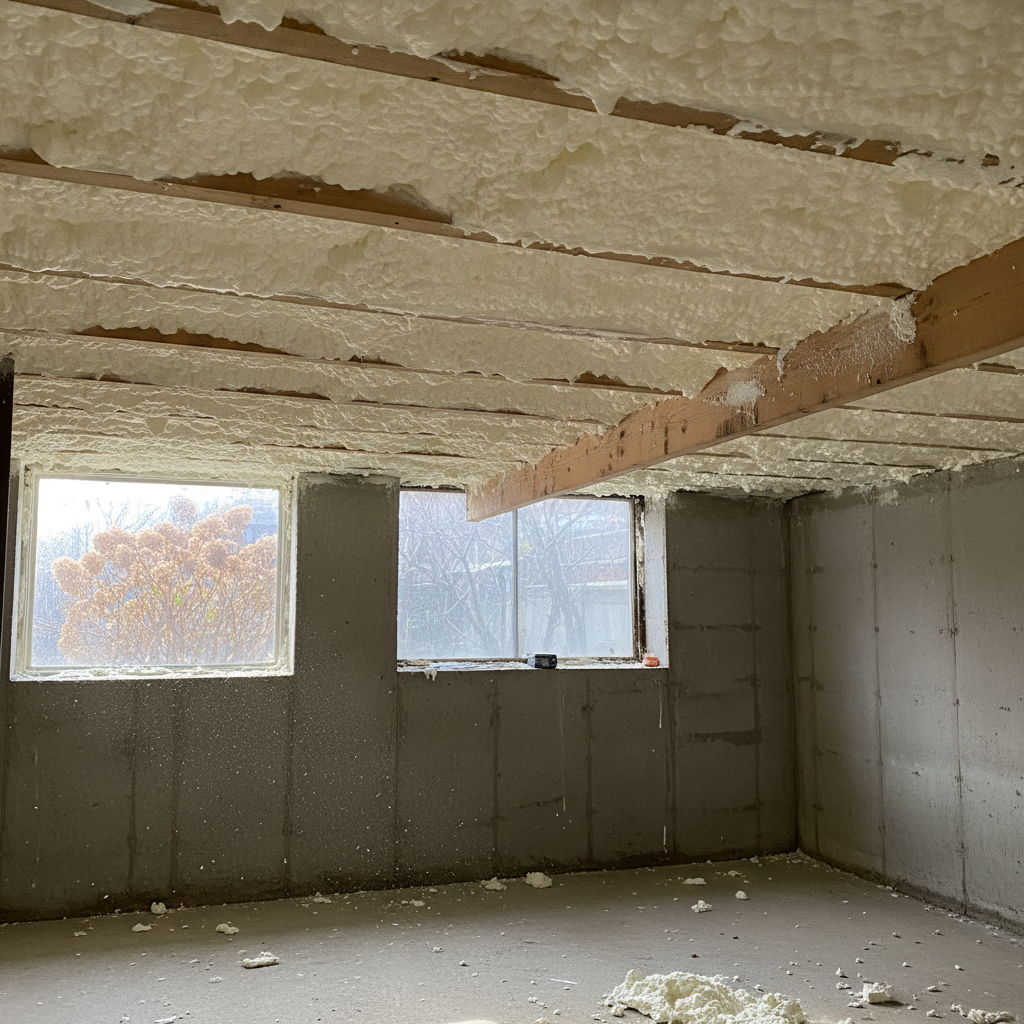
- Spray Foam Insulation: This is a game-changer for basements because it air seals and insulates in one go. It gets into every nook and cranny, creating an incredible thermal barrier. But applying it correctly? That's a skill. It requires specialized equipment, proper safety gear, and a deep understanding of how the chemicals react. If it's not mixed or applied right, it won't perform, and you'll have a big, expensive mess on your hands. Trust me, I've seen DIY spray foam jobs go sideways. This is where Brooklyn Spray Foam really shines. We've got the gear and the know-how to do it right, every time.
- Rim Joist Insulation with Spray Foam: This area is notorious for air leaks and heat loss. Spray foam is the absolute best solution here. While you can use rigid foam boards, spray foam creates a seamless, airtight seal that's hard to beat. Again, best left to the pros.
- Any Complex Areas or Large Projects: If your basement has a lot of pipes, ducts, or irregular surfaces, or if you're insulating a really large area, a professional team will get it done faster, more efficiently, and correctly.
During the Project: Safety First
Whether you're DIYing or hiring pros, safety is key. If you're cutting rigid foam or handling batt insulation, wear a good quality respirator, eye protection, and gloves. The dust and fibers aren't something you want in your lungs or eyes. Ensure good ventilation. If you've hired us for spray foam, we'll handle all the safety protocols, including ventilating the space and advising you on when it's safe to re-enter.
After the Insulation: What to Look For
Once the insulation is in, you should notice a difference pretty quickly. Your basement should feel less drafty and more stable in temperature. You might even hear less outside noise. Keep an eye out for any signs of new moisture – condensation on pipes or walls – which could indicate an issue with your vapor barrier or continued air leakage. If you plan to finish the basement, now's the time for drywall and flooring. You've laid the groundwork for a comfortable, energy-efficient space.
Insulating your basement is a solid investment in your home's comfort and value. Do your homework, know your limits, and don't be afraid to call in the experts for the trickier parts. You'll be glad you did.