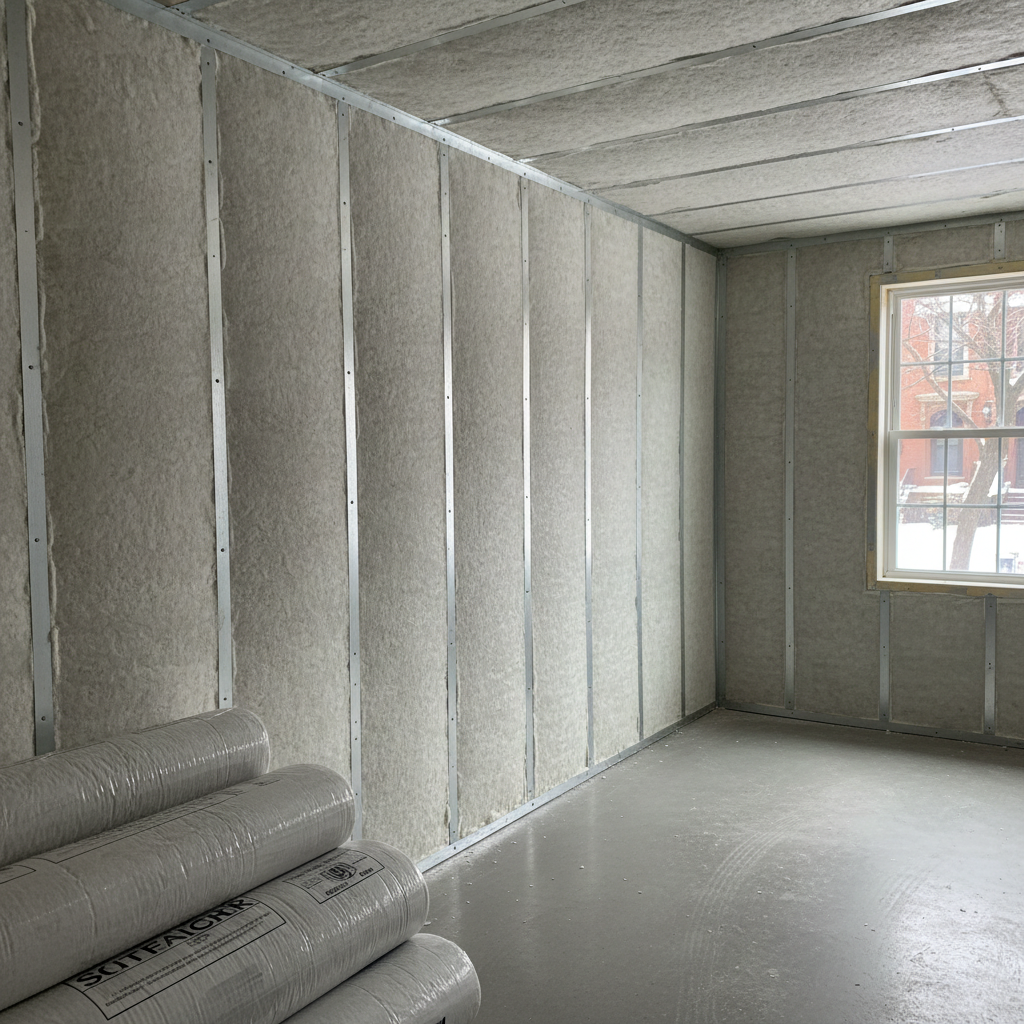
You spent good money getting your garage insulated, right? Whether it was for comfort, energy savings, or just to make your workshop usable year-round, you want that investment to last. And it will, but only if you give it a little love. It's not a 'set it and forget it' kind of thing, especially here in Brooklyn where we get everything from humid summers to freezing winters.
Extending the Life of Your Garage Insulation
The biggest thing you can do to make your insulation last is to protect it from damage. Sounds simple, but you'd be surprised. For spray foam, which is what we mostly install at Brooklyn Spray Foam, it's pretty durable on its own. But nothing's invincible.
- Keep it dry: Water is insulation's worst enemy. Leaks from the roof, around windows, or even a crack in the foundation can saturate insulation. Once it's wet, especially open-cell foam, its R-value drops like a stone, and you're inviting mold. Fix any leaks immediately.
- Protect from physical damage: If your insulation is exposed, like on an unfinished garage ceiling or walls, be mindful. Don't ram things into it. If you're hanging shelves or storing bikes, make sure they aren't constantly rubbing or compressing the foam. Closed-cell foam is tougher, but even that can get dinged.
- Control pests: Rodents and insects love nesting in quiet, insulated spaces. Make sure your garage is sealed up tight. Check for gaps around pipes, vents, and doors. A small hole for a mouse can quickly become a tunnel system through your insulation.
- Ventilation matters: While insulation keeps heat in or out, proper ventilation prevents moisture buildup. If your garage gets really damp, consider a small exhaust fan, especially if you're doing things like laundry or car washing in there.
Regular Maintenance: What to Look For
You don't need to inspect your garage insulation with a magnifying glass every week, but a quick check a few times a year can save you a headache. I usually tell folks to do it when they're swapping out seasonal gear, like before summer and again before winter.
- Visual inspection: Walk around your garage. Look at the insulated areas. Are there any visible gaps, tears, or areas where the insulation looks compressed or discolored? For spray foam, it should look uniform and firmly adhered.
- Check for damp spots: Feel the insulation. Does it feel damp or spongy? If so, you've got a moisture problem somewhere. Trace it back to the source.
- Look for pest activity: Are there droppings, chewed-up bits, or nests? If you see any signs of critters, you need to address that pest problem first, then assess the insulation damage.
- Air leaks: Stand near doors and windows, especially on a windy day. Do you feel drafts? While this might be a weatherstripping issue, sometimes air can bypass insulation if it's not sealed properly around openings.
Warning Signs You Might Have a Problem
Sometimes, the signs aren't as obvious as a giant hole. You need to pay attention to how your garage feels and your energy bills.
- Sudden temperature swings: Is your garage suddenly much colder in winter or hotter in summer than it used to be? That's a big red flag.
- Higher energy bills: If you're heating or cooling your garage and your energy bills jump without a clear reason, your insulation might not be doing its job.
- Musty smells: A persistent musty odor often points to mold or mildew, which means moisture is getting into your insulation. This is especially common in older Brooklyn brownstones with unsealed garages that can get damp.
- Visible mold or water stains: Don't ignore these. They're telling you there's a serious moisture issue that needs immediate attention.
- Sagging or falling insulation: If you have batt insulation and it's starting to sag or fall out, it's lost its effectiveness and needs to be re-secured or replaced. Spray foam shouldn't sag if installed correctly.
When to Call a Professional
Look, some things you can handle yourself, like sealing a small crack or replacing weatherstripping. But for bigger issues, don't try to be a hero. You could make it worse or miss the real problem.
- Major water damage: If a pipe burst or your roof had a serious leak and a large section of insulation got soaked, you need a pro. We can assess the damage, ensure everything's dried out properly, and replace or repair the insulation to prevent mold and further issues.
- Extensive pest infestation: If you've got a serious rodent problem that's compromised a lot of your insulation, you'll need pest control first, then us to clean up and reinsulate.
- Persistent drafts or temperature issues: If you've checked the obvious things and your garage is still uncomfortable or costing you too much to heat/cool, we can do an energy audit to pinpoint exactly where the heat is escaping or entering.
- Visible mold growth on insulation: This is a health hazard. Don't mess with it. Call in someone who knows how to deal with mold remediation safely.
- Any uncertainty: If you're not sure what you're looking at, or you suspect a problem but can't quite figure it out, just give us a call. It's better to get an expert opinion early than to let a small problem turn into a big, expensive one. We're happy to take a look and give you an honest assessment. That's what we do at Brooklyn Spray Foam.